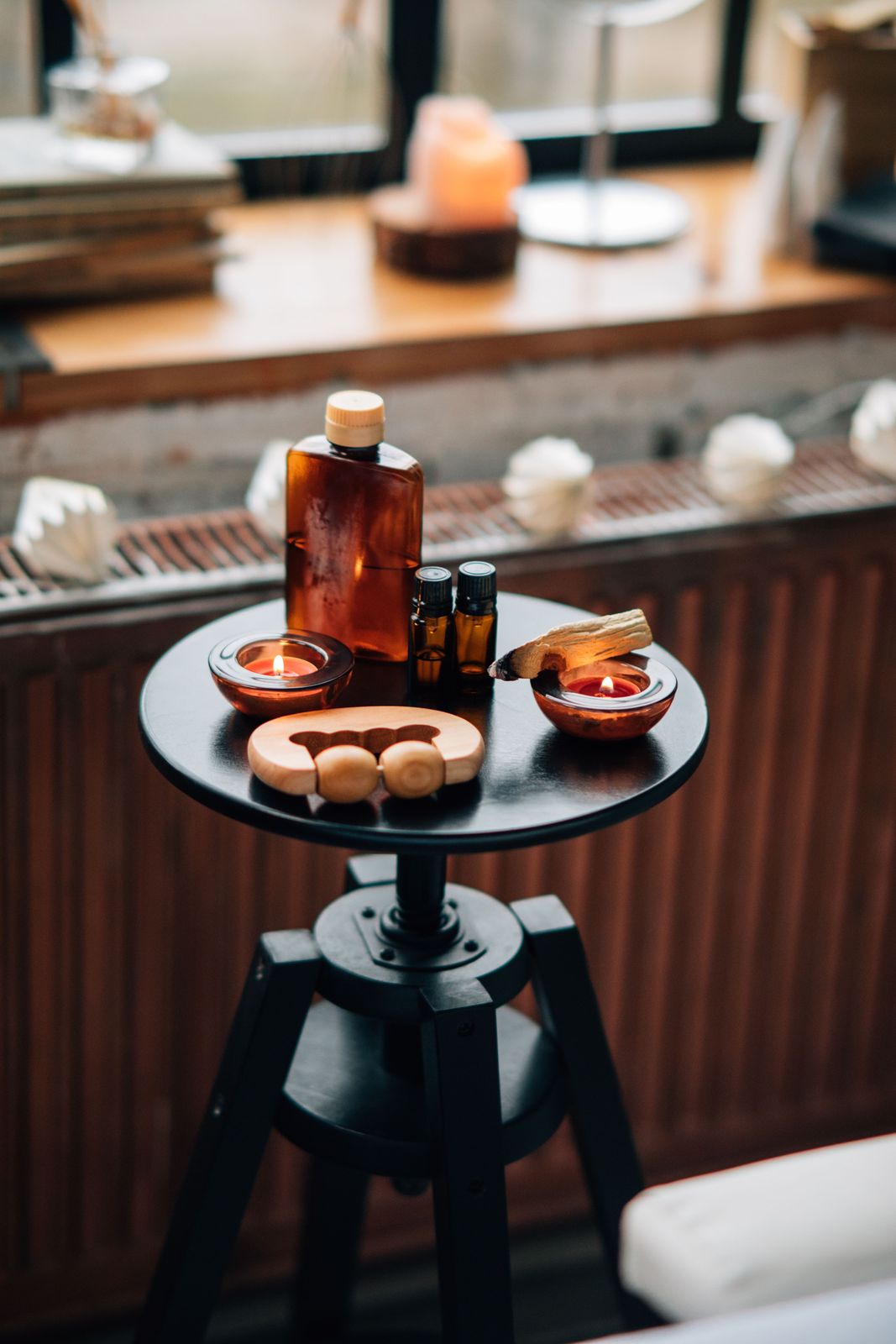
You survived another Edmonton winter — the icy sidewalks, the parkas, the months of hunching against a minus-thirty wind chill — and now the River Valley is calling. The trails are open, the cyclists are back on the Whitemud, and the outdoor yoga mats are unrolling in Hawrelak Park. Your spirit is absolutely ready. Your connective tissue, however, may have a few things to say about that.
Why Spring Triggers Muscle Tension in Edmonton
Post-winter deconditioning is a genuinely well-documented physiological phenomenon, and Edmonton's climate makes it especially pronounced. After months of reduced activity, the body's slow-twitch stabiliser muscles quietly switch off, collagen fibres in the fascia lose their slide-and-glide quality, and the neuromuscular system simply forgets the recruitment patterns that spring sport demands. The result is a very specific kind of soreness — not quite an injury, not quite normal DOMS — that catches people off guard the first warm weekend of May.
Compound that baseline deconditioning with the postural habits cold weather forces on us. Heavy winter boots shorten the hip flexor chain over weeks and months. Thick parkas encourage rounded shoulders and a subtle but persistent forward head position. The thoracolumbar fascia — the broad, diamond-shaped connective tissue sheet spanning the lower back — thickens and stiffens in response to both reduced movement and cold-weather guarding patterns. When you suddenly ask that structure to support a ten-kilometre trail run, it rarely responds with gratitude.
Recognising this pattern is the first step. It is not weakness, and it is not a sign that you have done something wrong. It is simply a body that was designed for varied movement being reintroduced to exactly that — and a therapeutic massage Edmonton practitioners can address before it becomes a longer-term problem. Spring muscle recovery Edmonton residents need is thoughtful, layered, and deeply informed by what winter actually does to the body.
“The fascia does not forget a winter in Edmonton. But with the right hands, it remembers how to move.”
The Sen-Line Connection: Thai Massage and Fascia Science
Traditional Thai massage has mapped the body's energy pathways — Sen lines — for over two thousand years. These ten primary lines carry prana, the life-force current that sustains tissue vitality, joint freedom, and emotional balance. When a Sen line becomes blocked, the entire energetic circuit it governs begins to stagnate. The practitioner's role is to restore flow through rhythmic acupressure, passive assisted stretching, and precise thumb-work along the pathway.
What is remarkable — though perhaps not surprising — is how closely these ancient pathways correspond to the myofascial meridians described by anatomist Tom Myers in Anatomy Trains. The Superficial Back Line, which runs from the plantar fascia up through the hamstrings, thoracolumbar fascia, and into the suboccipital muscles, mirrors Sen Pingala almost precisely. The Lateral Line, governing hip stability and IT band tension, echoes the pathway of Sen Kalathari along the lateral limb. Western research into fascial continuity has, essentially, confirmed what Thai healers observed through centuries of clinical practice.
At Thai Healing Hands, our approach to Traditional Thai massage Edmonton residents experience honours both frameworks simultaneously. Assisted stretching decompresses joint spaces and stimulates mechanoreceptors in the deep fascia. Acupressure along Sen lines triggers a neuromuscular reset, down-regulating the sympathetic tone that winter and stress accumulate in the body's tissues. You receive the cultural wisdom of a living healing tradition and the physiological mechanisms of myofascial release Edmonton practitioners recognise from contemporary soft-tissue science — all in the same session.
Myofascial Cupping for Spring Recovery: What to Expect
While compression is the language of most massage modalities, cupping speaks in decompression. Silicone or vacuum cups create a gentle negative pressure in the superficial fascia, lifting the tissue away from the underlying muscle rather than pressing into it. This decompression mechanism separates adhered fascial layers, encourages fresh arterial blood into chronically restricted areas, and promotes lymphatic clearance of metabolic waste that builds up in underused winter tissue.
For spring runners and cyclists, the hip complex and IT band are almost always the priority zones. Months of hip flexor shortening and reduced glute activation create a predictable pattern of lateral hip tension that can refer pain down the thigh and into the knee. Dynamic cupping — where the cups glide along the fascial line while the tissue is under tension — is particularly effective at releasing the iliotibial band and the tensor fasciae latae without the significant discomfort that aggressive direct compression can produce. Deep tissue massage Edmonton athletes often receive works beautifully as a companion technique: compression first to address the deeper muscle belly, decompression after to restore the superficial fascial envelope.
You may notice circular marks after a cupping session — these are not bruises in the conventional sense but rather a visible indicator of where stagnation existed in the tissue. They typically resolve within three to seven days and, importantly, tend to fade more quickly with each subsequent session as the fascia becomes more supple and circulation improves.
Building Your May Wellness Ritual in Edmonton
A thoughtful session sequence makes a meaningful difference to how quickly the body adapts to spring activity. For most clients returning after winter, we suggest beginning with a deep tissue massage Edmonton session in early May to address the primary layers of tension — thoracolumbar stiffness, hip flexor restriction, and shoulder girdle holding patterns accumulated over winter. Allow forty-eight to seventy-two hours of integration before returning to high-intensity training.
A second visit two weeks later, focused on myofascial cupping for the hip complex and lateral leg, complements the earlier deep tissue work beautifully. By this point the nervous system has had time to reset, and the cupping can work at a more superficial, restorative level rather than competing with acute soreness. For ongoing maintenance throughout the season, Thai foot massage is a profoundly underrated tool — stimulating reflex zones, Sen line endpoints in the feet, and the plantar fascia that anchors the entire Superficial Back Line. Forty-five minutes on the feet can release tension you did not realise you were carrying through the entire posterior chain.
Support every session with consistent hydration — at least two litres of water on treatment days — and ten minutes of gentle hip flexor and thoracic spine stretching the morning after. The fascia tightness after winter does not resolve in a single appointment; it responds to a sustained, patient conversation between practitioner and tissue. Think of your massage clinic Edmonton 2026 visits less as isolated treatments and more as seasonal maintenance for the instrument you ask to carry you through every trail, ride, and sunrise yoga class this city's extraordinary outdoors has to offer.
Thai Healing Hands is preparing to open its specialised therapeutic practice in Edmonton in September 2026, bringing Traditional Thai massage, myofascial cupping, and deep tissue work under one roof, rooted in both ancient healing philosophy and contemporary soft-tissue science. If you would like to be among the first to know when booking opens — and secure your place in our spring-to-summer recovery programme — we warmly invite you to join our interest list today. Your body did the hard work of surviving another Edmonton winter. Let us help it thrive in the season that follows.
Medical Disclaimer: This article is for informational purposes only and does not constitute medical advice. Please consult a qualified healthcare professional before beginning any new therapeutic treatment.