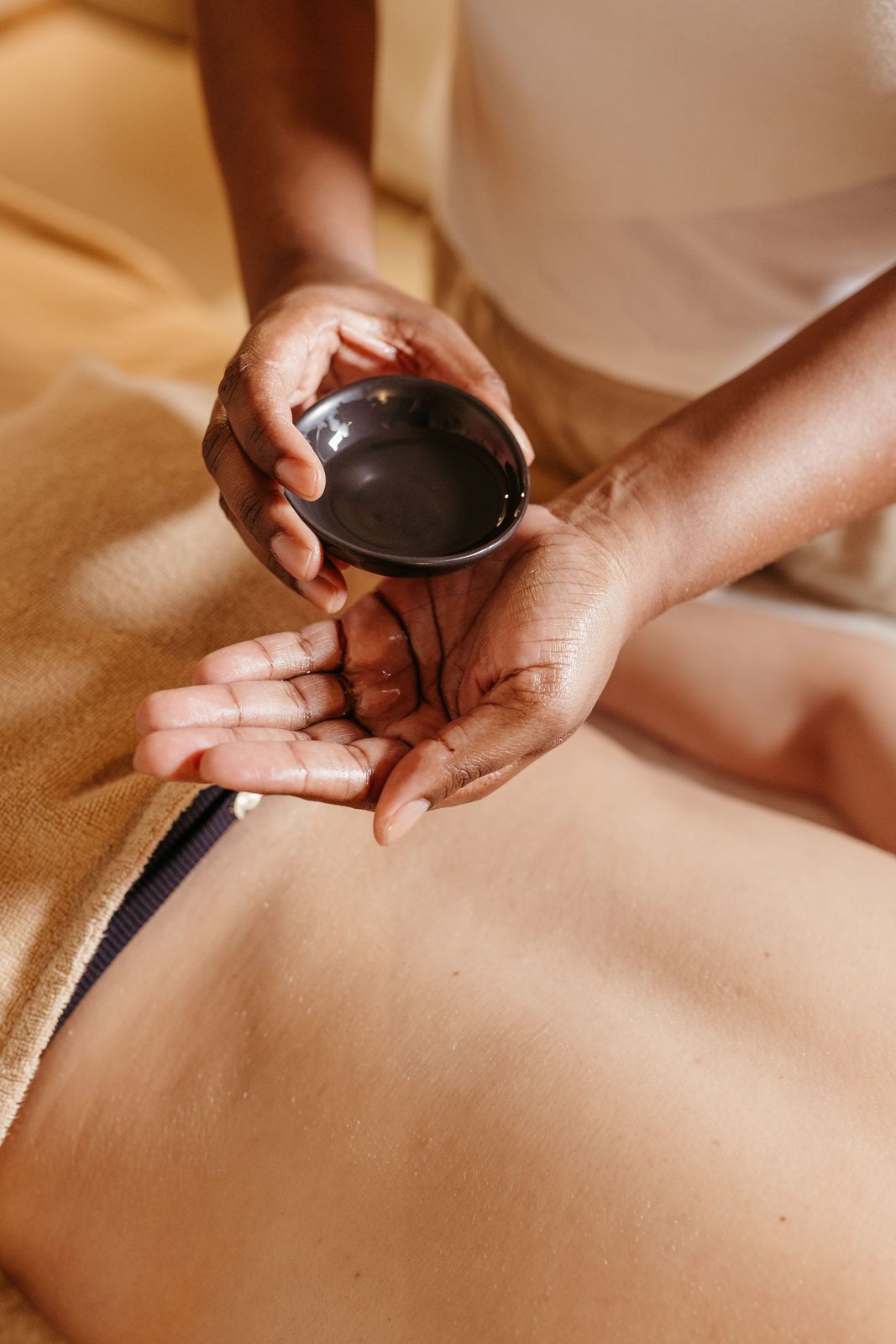
June in Edmonton is electric. The river valley trails fill before 7 a.m., Hawrelak Park buzzes with cyclists and picnickers well past nine in the evening, and the neighbourhoods of Glenora and Westmount hum with gardeners making the most of every last ray of Alberta sunlight. But beneath all that glorious seasonal energy, your muscles, fascia, and nervous system are quietly accumulating a debt — one that, left unaddressed, follows you straight into autumn as stiffness, fatigue, and compensatory movement patterns. Thai massage in Edmonton offers a time-tested, clinically grounded way to collect on that debt before the frost returns.
Why Edmonton Summers Push Your Fascia to Its Limits
Edmonton's summer daylight stretches past ten o'clock at night, and that extended light window is both a gift and a physiological challenge. When activity windows lengthen dramatically — river valley hikes stacked onto evening softball leagues stacked onto weekend gardening — the body's connective tissue rarely receives the recovery window it requires. Fascia, the continuous web of collagen-rich tissue that envelops every muscle, bone, and organ, depends on adequate rest, hydration, and gentle movement to maintain its fluid, gliding quality. Heat exposure accelerates fluid loss from fascial tissue, increasing viscosity and reducing the smooth glide between fascial layers. The result is the familiar sensation of "tightness" that active Edmontonians often dismiss as normal summer soreness.
What the science of myofascial adhesion tells us is that repeated eccentric loading — the kind produced by descending the steep switchbacks of the North Saskatchewan River valley trail system or powering through a cycling interval — creates micro-trauma within muscle fibres that, without proper recovery, consolidates into dense adhesive bands. These bands alter motor recruitment patterns, meaning the body begins compensating by overloading adjacent muscle groups. Summer muscle fatigue in Edmonton, in other words, is rarely just tiredness — it is a structural conversation your body is trying to have with you.
The Sen-Line System: Ancient Thai Anatomy Meets Modern Fascia Research
Traditional Thai medicine maps the body through ten primary Sen lines — energy pathways through which prana, or life force, is understood to circulate. For centuries, Thai healers worked these pathways with precise thumb pressure, palming, and assisted stretching to dissolve blockages and restore balanced flow. To a Western-trained anatomist, the language sounds poetic rather than clinical — until you place a myofascial meridian map beside a Sen-line diagram and notice something striking: the trajectories correspond with remarkable consistency to the superficial and deep fascial chains described by researchers such as Thomas Myers in his seminal work on anatomy trains.
Sen Ittha and Sen Pingkhala, for instance, trace bilateral pathways along the posterior and lateral body that map closely onto the superficial back line and the lateral fascial chain of Western anatomy. Sen Kalathari, which branches through the limbs and torso, echoes the spiral line that connects hip rotators to contralateral shoulder stabilisers. This is not coincidence — it is two sophisticated observational traditions, separated by thousands of kilometres and centuries of development, arriving at similar anatomical truths through different languages. For the active Edmontonian researching their recovery options, this convergence is meaningful: Thai Sen-line therapy is not alternative to evidence-based bodywork. In many respects, it is a remarkably precise early articulation of it.
“Two healing traditions, centuries apart, arrived at the same map of the human body — your recovery deserves the full wisdom of both.”
Therapeutic Techniques That Restore Summer-Stressed Muscles
A well-designed recovery session for summer muscle fatigue draws on three complementary modalities applied in sequence. Traditional Thai massage initiates the process: rhythmic compression along the Sen lines gently pumps interstitial fluid, warms the superficial fascia, and engages the parasympathetic nervous system — shifting the body out of the sympathetic arousal state that accumulates during high-output activity. Assisted yoga-like stretches then lengthen the myofascial chains under active therapist guidance, addressing the shortened posterior chain that develops from prolonged cycling postures or repeated trail descents.
Where trigger points — hyperirritable nodules within taut muscle bands — are identified, focused deep tissue massage Edmonton techniques apply sustained ischaemic pressure to interrupt the self-sustaining contraction cycle and restore local circulation. Finally, myofascial cupping placed strategically along the thoracolumbar fascia and iliotibial band creates a negative-pressure lift that separates adhered fascial layers, stimulates lymphatic drainage, and accelerates the removal of metabolic waste products that accumulate during eccentric loading. Together, these techniques constitute a sequential recovery protocol that respects both the body's biomechanical reality and its energetic intelligence — leaving you genuinely restored rather than simply less sore.
Building a Summer Wellness Ritual Before the Frost Returns
Edmonton's active season is generous but finite. By the time September arrives and the cottonwoods along the river valley begin to turn, the physical habits of June, July, and August have either built a resilient, well-recovered body or a compensatory one — carrying accumulated tension patterns that express themselves as autumn hip tightness, shoulder fatigue, or that nagging lower-back stiffness that appears right around the time the evenings shorten. The difference between these two outcomes is rarely dramatic. It is most often the cumulative result of whether or not regular bodywork was woven into the summer routine.
A bi-weekly or monthly session of myofascial recovery work during the June-to-August window allows the therapist to address compensation patterns as they emerge rather than after they consolidate. Think of it as preventive maintenance for the fascia — the same logic you would apply to your trail bike or your garden tools, applied instead to the body that uses them. For residents of Glenora, Westmount, and the surrounding communities near our 127 Street NW location, this kind of accessible, neighbourhood-based bodywork practice becomes a natural extension of the active, intentional lifestyle Edmonton summers invite.
Thai Healing Hands is preparing to open its doors in Edmonton this September 2026, bringing together the full depth of traditional Thai Sen-line therapy and evidence-informed Western myofascial techniques. If this approach to summer recovery resonates with you, we warmly invite you to join our pre-opening waitlist and subscribe to our seasonal wellness guides — so that when the doors open, your body is already on the path back to balance. Your fascia has been working hard all summer. It deserves expert, culturally grounded care.
Medical Disclaimer: This article is for informational purposes only and does not constitute medical advice. Please consult a qualified healthcare professional before beginning any new therapeutic treatment.